주요 서비스 메뉴

어업용 부표, 의무재활용 대상 제품
관련법령
보도자료 1. 한국일보
- 페트병 10시간 내 90% 분해… 지구 구할 ‘나뭇잎 퇴비 효소’ 개발
한국일보 최나실 기자(2020.04.10. 04:30)
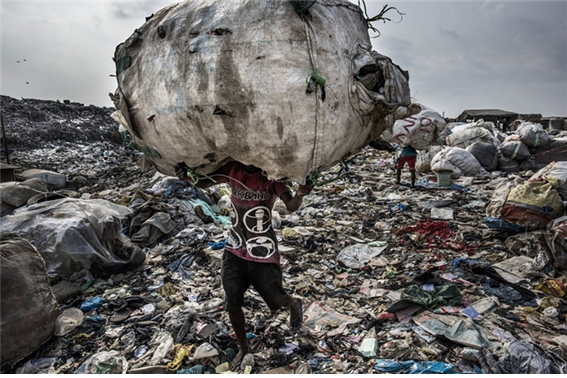
세계보도사진재단(WPP)에서 선정한 ‘2018년 세계보도사진전’ 환경 부분 1등상 수상작. 지난 2017년 1월 21일 사진가 카디르 반 로하이젠이 촬영한 것으로, 나이지리아 라고스의 쓰레기 매립장에서 한 남자가 페트병을 담은 거대한 보따리를 진 채 걸어가고 있다. EPA 연합뉴스 자료사진AD -
버려진 플라스틱 대란으로 몸살을 앓는 지구를 구할 구세주가 등장했다.
한 녹색기업이 나뭇잎 퇴비에서 발견해 개량한 이 효소는 페트병 원재료를 10시간 만에 90%나 분해했다.
지금까지 플라스틱 분해 능력이 있는 미생물은 종종 학계에 보고됐지만, 속도와 효과가 월등해 플라스틱 폐기물 해결의 중대한 진전이 될 거란 기대를 모으고 있다.
영국 일간 가디언은 8일(현지시간) 프랑스 녹색 화학회사 카르비오가 10시간 안에 ‘폴리에틸렌 테레프탈레이트(PETㆍ페트)’를 90% 가까이 분해하는 세균성 변종 효소를 개발했다고 보도했다.
자연에서 페트병이 분해돼 사라지려면 500년 이상 걸리지만 ‘나뭇잎 퇴비 큐틴분해효소(LLC)’로 명명된 이 효소는 한나절도 안 돼 분해를 거의 다 마친다는 것이다.
속도만 빠른 게 아니라 분해 후 재활용 가치도 크다.
신문은 “기존 페트병 재활용 기술로는 의류ㆍ카펫 제작에 적합한 플라스틱만 만들 수 있으나 LLC를 이용할 경우 음용이 가능한 ‘식품등급’ 페트병을 다시 만들 수 있다”고 설명했다.
발견 과정을 담은 논문은 전날 세계적인 과학저널 네이처에 공개됐다.
카르비오 연구진은 먼저 10만여종의 미생물 후보군 중 페트 분해 능력이 있다고 알려진 몇 개의 효소를 선별했다.
이어 특별히 두각을 보인 LLC 원재료를 조작해 20시간 동안 최대 53%까지만 분해가 가능하던 야생 효소의 능력치를 ‘10시간 내 90% 분해’ 수준까지 끌어올렸다.
논문은 “해당 변종 효소는 (이전에 페트 분해 능력이 밝혀진) TfCut2 효소보다 98배 높은 생산성을 보였다”고 설명했다.
앞서 2016년 ‘수일 내’ 페트 분해 효소를 발견한 영국 포츠머스대 연구팀도 LLC를 높게 평가했다.
당시 팀을 이끈 존 맥기헌 교수는 속도와 효율성, 내열성 측면에서 매우 큰 발전”이라며 “페트의 진정한 재활용을 위한 진일보라 할 수 있다”고 극찬했다.
이런 빠른 분해 속도와 높은 효율성 덕에 LLC는 업계 최초로 시장화 전망도 높이고 있다.
카르비오는 5년 내 상용화를 목표로 로레알과 펩시 등 대기업과 제휴해 개발에 속도를 내고 있다.
다만 비용이 걸림돌이다.
가디언은 “업체 측은 페트병 1톤을 분해하는 데 필요한 효소 값어치가 새 페트병 1톤 가격의 4%에 불과할 것이라고 예상하지만, 효소 첨가 전 페트병 가열ㆍ분쇄 과정에 워낙 많은 비용이 들어 실제 재활용품은 더 비싸질 것”이라고 지적했다.
네이처에 따르면 전 세계에서 연간 생산되는 플라스틱 3억5,900만톤 가운데 절반에 상당하는 1억5,000만~2억톤이 매립지나 자연에 그대로 쌓이고 있다.
최나실 기자 verite@hankookilbo.com
보도자료 2. 네이처 언론보도
-
Carbios announces the publication of an article on its enzymatic recycling technology in the prestigious scientific journal Nature
• This publication outlines Company’s proprietary process for converting plastic waste into new bottles - a breakthrough towards a circular economy
Clermont-Ferrand, France, April 8th, 2020 (06:00 PM CEST)- CARBIOS (Euronext Growth Paris: ALCRB),a company pioneering new bio-industrial solutions to reinvent the lifecycle of plastic and textile polymers, announces the publication of an article in the prestigious scientific journal Nature, entitled “An engineered PET-depolymerase to break down and recycle plastic bottles”. The article is co-authored by scientists at Carbios and at the Company’s renowned academic partner, the Toulouse Biotechnology Institute1 (TBI).
The article describes the development of a novel enzyme, which can biologically depolymerize all polyethylene terephthalate (PET) plastic waste, followed by an extremely efficient recycling into new bottles. PET is the most common thermoplastic polymer and is used to manufacture bottles, polyester clothing fibers, food containers, and various thermoformed packaging and components. Carbios’ recycling process, the first of its kind, initiates a real transition to a circular economy and can better prevent plastic pollution from harming our oceans and planet. This innovative technology also paves the way for recycling PET fibers, another major challenge in guaranteeing a clean and protected environment for future generations.
Prof. Alain Marty, Carbios’ Chief Scientific Officer and co-author of the Nature article says: "I am very proud that Nature, one of the most highly respected scientific journals in the world, has validated the quality of the research led by Carbios and TBI laboratory scientists in developing a PET recycling enzyme and a revolutionary process. The results obtained confirm the industrial and commercial potential of the Company’s proprietary process, which will be tested in 2021 in our demonstration plant in the heart of the French Chemical Valley, near Lyon."
Sophie Duquesne, INRAE Researcher: “For any researcher, seeing its work recognized by the prestigious journal Nature is a true achievement. I am very proud of the work accomplished by the researchers at TBI and Carbios, whose collaborative efforts have led to the development of a sustainable solution to the end of life of plastics.”
Dr. Saleh Jabarin, Distinguished Professor at The University of Toledo, Ohio and a member of Carbios’ Scientific Committee: “It's a real breakthrough in the recycling and manufacturing of PET. Thanks to the innovative technology developed by Carbios, the PET industry will become truly circular, which is the goal for all players in this industry, especially brand-owners, PET producers and our civilization as a whole.”
Bertrand Piccard, Founder and President of the Solar Impulse Foundation: “I am very pleased that the scientific community recognizes one of the solutions labelled by the Solar Impulse Foundation as a financially profitable solution to protect the environment. The use of such technology is as logical as it is ecological!”
Nature, the highest Impact Factor scientific journal, recognizes the ground-breaking quality of the enzymatic engineering research being done by Carbios and TBI, that is paving the way to virtuous management of plastic waste. “Carbios is the first company to successfully combine the two scientific worlds of enzymology and plastics”, as Dr. Philippe Pouletty, CEO of Truffle Capital and Co-founder of Carbios, comments.
By leveraging many years of experience with a world-renowned team, Carbios and TBI are proud to have been able to increase the degradation yield of PET waste to 90% in 10 hours, a significant upswing from the initial degradation yield of 1% after several weeks. This paradigm shift in how effectively PET can be recycled, is leading toward a future circular economy technology applicable to all PET waste, which Carbios is proud to be spearheading.
To read the article in Nature, please find the link here:
https://www.nature.com/articles/s41586-020-2149-4
About Carbios:
Carbios is a green chemistry company whose innovations help address the environmental and sustainable development challenges facing manufacturers. Since its creation in 2011 by Truffle Capital, the Company has developed, through biotechnology, two industrial processes that revolutionize the biodegradation and recycling of polymers. These world-first innovations, made possible with the support of Bpifrance (THANAPLAST™ project), enable to optimize the performance and lifecycle of plastics and textiles by exploiting the properties of highly specific enzymes.
Carbios' economic development model is based on the industrialization and commercialization of its products and/or enzymes, technologies and bioprocesses through license concessions directly or through joint ventures to major industrial players or sectors concerned by the Company's innovations. As such, Carbios created the joint venture Carbiolice in September 2016, in partnership with Limagrain Ingredients and the SPI fund operated by Bpifrance. This company, of which Carbios has majority control, will exploit the first technology licensed by Carbios by producing enzymatic granules for the production of biodegradable and biobased plastics.
Carbios benefits from the qualification "Innovative Company" of Bpifrance allowing the eligibility of the Company's securities for the investment of Mutual Funds Placement in Innovation (FCPI). For more information, please visit: www.carbios.fr
Carbios is eligible for the PEA-PME, a government program allowing French residents investing in SMEs to benefit from income tax rebates.메일자료(프랑스 메일링)
- Carbios 회신 메일
아빠,
지난 번 요청하신 메일 Carbios 사에 보낸 후 답변 온 메일 전달드려요.
영문으로 회신 받았고 한글로 번역하였으니 아래 내용 확인 해주세요.
힘내세요 아빠.
파리에서 아빠 딸, 예종
--------------------------------
안녕하세요, 우리 회사에 관심을 가져 주셔서 감사합니다. Carbios는 2 가지 프로세스를 개
발했습니다.
• 자체적으로 생분해가 가능하도록 플라스틱 또는 텍스타일을 제조하는 동안 중합체(폴리
머) 내부에 효소를 혼입하는 프로세스. 이 프로세스는 PLA 플라스틱을 위해 처음 개발되었
습니다.
• 제어 된 반응기에서 효소를 사용하여 플라스틱 또는 직물을 해중합하고 단량체를 회수하
는 프로세스. 이 프로세스는 PET를 위해 처음 개발되었습니다. 최초의 PET와 동일한 품질
로 PET를 재 중합하기 위해 단량체(모노머)를 정제할 수 있으며 모든 응용에 적합합니다.
우리는 지금까지 해상 폐기물을 테스트하지는 않았지만 효소가 해중합을 할 수 있다고 확신
합니다. PET가 바다에 머무르는 동안 사전 가수 분해되었다는 점이나 내부에 에어셀이 있
다는 점은 문제되지 않습니다. 우리는 이미 색이 있는 병, 카본 블랙과 TiO2가있는 불투명
한 병, 여러 섬유에 이르기까지 많은 폐기물을 어려움 없이 테스트 했습니다.감사합니다.
Frédérique GUILLAMOT (프레데릭 기야모)
이노베이션 담당자
---------- Forwarded message ---------
De :
Date: ven. 3 juil. 2020 à 00:32
Subject: RE: PET recycle enzyme inquiry
To: clife.kr@gmail.com
Hi,
Thank you for your interest in our company. Carbios has developed 2 processes:
•Incorporation of enzyme inside polymer during production of plastic or textile to
make it biodegradable by itself. This process has been first developed for PLA plastic.
•Use of enzyme in a controlled reactor to depolymerize plastic or textile and recover
monomers. This process has been first developed for PET. Monomers can be purified in
order to repolymerize PET with the same quality as virgin PET and suitable for all
applications.
We have not tested so far sea waste, but we are confident that our enzyme will be able
to depolymerize them. The fact that PET has been pre-hydrolysed during its stay in the
sea and hat there are aircells is not problematic. We have already tested a lot of waste,
ranging from coloured bottles, opaque bottles with carbon black and TiO2, several
textiles without anu difficulty.
Best regards,
De : Young Kim
Envoyé : lundi 22 juin 2020 06:58
À : Contact Carbios
Objet : PET recycle enzyme inquiry
Hi,
I’m Young KIM from Clife. We are an eco-friendly fishing buoys production company in
South Korea. We’ve designed a unique model using PET Aircell and our certified buoy
is being commercialized in different aquaculture regions.
Recently we’ve discovered your enzymes to recycle PET products on Nature magazine
and very impressed by your great work.
As PET recycle is an important and sensitive topic for the Korean government and
fishing industries, we'd like to know more about your enzyme development.
As a PET buoy production company, we are wondering if your enzymes can be applied
to PET products stayed on seawater to recycle and reproduce fishing buoys with the
same properties.
Some special features of our PET buoys would be as below:
- contact with seaweed, shellfish
- hydrolysis
- constant UV contact
- coloring on PET
- UV absorbers or carbon black injection
- 3 sizes: 30L(1kg)/ 60L(1.6kg)/ 100L(2kg)
- several aircells inside PET to keep buoyancy even with damaged PET
Looking forward to hearing from you, great thanks in advance.
Best regards,
Mr. Young KIM
CEO Clife
980-1 Woojeong Dong, Tongyoung, Kyungsang Nam Do, South Korea
+82 10 3223 9923
- Carbios 회신 메일
르포/롯데케미칼 울산공장
- "유색폐페트·폐의류 재활용해 새 원료처럼 사용"
전자신문 원문 | 입력 2021.04.13 06:00 | 수정 2021.04.13 16:57
롯데케미칼이 울산공장을 완전순환경제의 전초기지로 바꾼다는 전략을 발표했다.
2024년까지 국내 화학업계 최초로 플라스틱의 화학적 재활용을 위한 해중합(BHET·고분자를 원료 물질로 전환하는 과정) 공장을 건설하며
재활용 페트(C-rPET)를 양산할 계획이다.
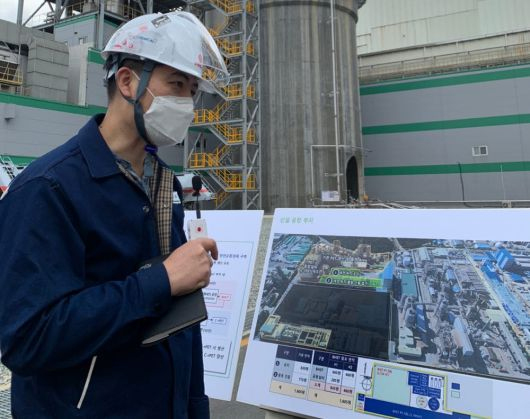
이영호 롯데케미칼 울산공장 생산3팀장이 화학적 재활용 페트(C-rPET) 설비 건설에 대해 설명했다.
최근 기자가 찾은 롯데케미칼 울산공장은 맥주페트와 화장품 용기 등 유색 폐페트는 물론 폐의류까지 분해해 원료로 재활용하는 기술 도입을 추진 중이다.
투명 페트를 조각 내 원료로 사용하는 기계적 재활용(M-rPET)을 한단계 넘어선 기술이다.
롯데케미칼이 생산 예정인 C-rPET는 폐페트를 화학적으로 재활용하는 기술로 만든다.
폐페트를 화학적으로 분해하고 정제한 원료 물질을 다시 중합 과정을 거쳐 최종적으로 C-rPET가 만들어진다.
기존에 기계적으로 재활용하기 어렵던 유색 및 저품질 폐페트를 원료로 사용할 수 있으며 반복적인 재활용에도 품질 저하가 없는 것이 특징이다.
임오훈 롯데케미칼 울산공장 총괄공장장은
“옷이나 유색 페트 등을 잘게 잘라서 용해하고 색깔 원료를 분리하는 해중합 기술이 고난도”“이 과정을 거처 생산하는 C-rPET는 식음료 용기로 만들 수 있을 정도로 안전하고 수차례 재활용 원료로 사용할 수 있어 완전재순환이 가능하다”
라고 설명했다.
울산 2공장에는 기존 페트생산설비 인근에 해중합 공장과 유색폐페트 세척 등 전처리를 하기 위한 공정이 들어설 부지 기초작업이 진행돼있었다.
롯데케미칼은 이곳에 국내 최초로 폐페트 조각을 연간 5만톤까지 처리할 수 있는 해중합 공장을 신설하고, 11만톤 규모의 C-rPET 생산설비를 2024년까지 건설할 예정이다.
임 총괄공장장은
“2024년 이후 해중합 및 C-rPET공장의 신증설을 통해 C-rPET 사업을 26만톤으로 확장하고, 2030년까지 연간 34만톤 규모의 기존 울산 페트공장을 전량 C-rPET으로 전환해 생산할 계획”
이라고 밝혔다.
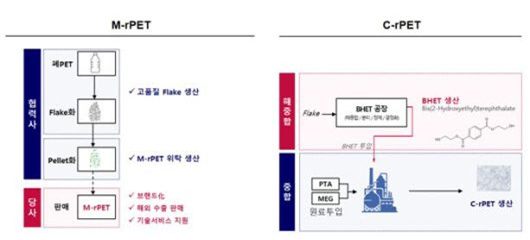
기계적 재활용 페트(M-rPET)와 화학적 재활용 페트(C-rPET)의 공정화. [자료:롯데케미칼]
코로나19로 인한 소비 패턴 변화 등으로 플라스틱 사용량은 더욱 늘어날 전망이다.
국내 페트 생산 능력·시장 점유율 1위 롯데케미칼은 국내를 넘어 해외 주요 국가들의 플라스틱 사용 규제가 가중되는 추세에 대응하기 위해 이번 완전순환경제 플랫폼 구축을 추진했다.
롯데케미칼은 글로벌 추세에 적극 대응해 사업구조 변화와 더불어 친환경 플랫폼 조기 구축으로 시장 선점의 효과를 얻을 것으로 기대하고 있다.
◆황진구 롯데케미칼 기초소재사업 대표이사“롯데케미칼이 추구하는 방향은 많은 사람들의 삶의 가치를 높이는 데 있습니다.
더 나은 세상이 될 수 있도록 지금 잘하는 것에, 사회적 가치를 더해 더욱 확장해 나가는 것이 롯데케미칼의 역할입니다.”
황진구 롯데케미칼 기초소재사업 대표이사는 울산공장의 친환경 업그레이드 당위성에 대해 이렇게 밝혔다.
그는 “유럽 등 선진국은 재활용플라스틱 사용 의무와 부담을 높이고 있어 향후 C-rPET 수요는 견조하게 유지될 전망”이라며
“세계에서 가장 먼저 C-rPET 상용화에 성공해 시장을 선도할 것”이라고 강조했다.
황 대표는 또 “롯데케미칼은 C-rPET 생산 계획 외에도 재활용폴리프로필렌(PCR-PP), 바이오페트, 플라스틱리사이클 사업 추가확대 등 친환경 사업영역을 본격 확장할 예정”이라며
“최근 여수 공장에 설치한 이산화탄소 포집·활용(CCU) 실증설비도 성능이 입증되면 전 사업장으로 확대하고, 삼성엔지니어링과 협력·추진중인 에너지효율화 사업도 확대할 것”이라고 덧붙였다.
황진구 롯데케미칼 기초소재사업 대표이사.
제품 생산과정의 친환경화뿐 아니라 온실가스 배출 저감과 에너지효율화를 통한 탄소중립 실현에도 전사적으로 박차를 가하겠다는 의지를 황 대표는 내비쳤다.
울산=함봉균기자 hbkone@etnews.com[Copyright © 전자신문. 무단전재-재배포금지]
이 기사의 주소https://news.zum.com/articles/67429062
탄소중립
* CCUS (Carbon Capture,. Utilization and Storage) : 이산화탄소 포집, 저장, 활용 기술
- □ 정부 탄소중립 추진전략 (2020.12.7.)
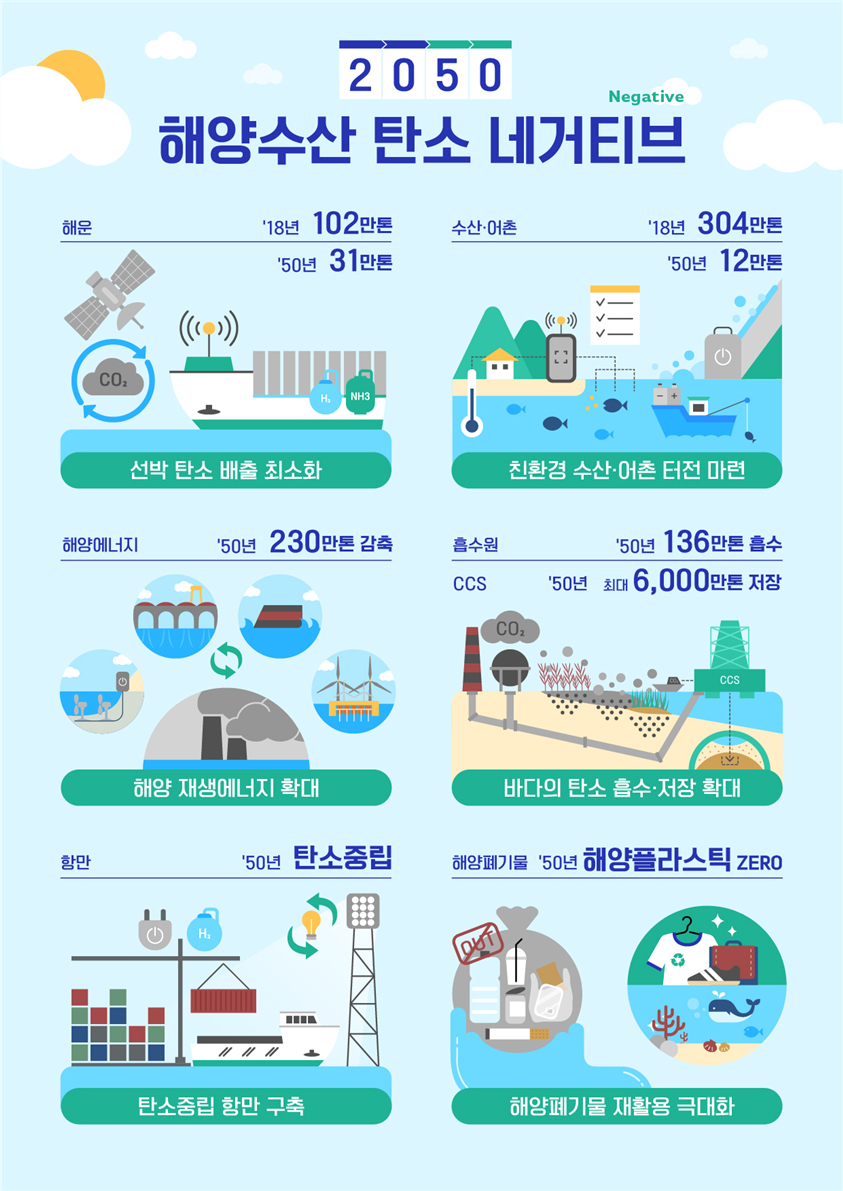
- - 탄소중립이라는 대전환 시대에 능동적으로 대응하기 위해 정부는 관계부처 합동으로 ‘2050 탄소중립 추진전략’을 마련하고 12월 7일 ‘제22차 비상경제 중앙대책본부회의’에서 그 내용을 발표했다.
- 탄소중립·경제성장·삶의 질 향상 동시 달성을 목표로, △경제구조 저탄소화, △저탄소 산업생태계 조성, △탄소중립사회로의 공정전환의 3대 정책방향과 △탄소중립 제도기반 강화라는 3+1의 전략을 추진한다. - □ 해양수산부 탄소중립
- □ 어업용 부표 탄소배출량
- ○ LCA(Life cycle assessment, 환경전과정평가)를 통해 소재별 온실가스(이산화탄소) 배출량 규정
- ○ 수지 사용량 기준 PP 부표(4.1kg, 64L기준) 대비 PET 부표(2.0kg, 64L 기준) 비교
- PET : 2.94 kg CO2/kg PET x 2.0 kg PET/PET 부표 1개 = 5.9 kg CO2/PET 부표 1개
- PP : 1.91 kg CO2/kg PP x 4.1 kg PP/PP 부표 1개 = 7.8 kg CO2/PP 부표 1개
- ○ 사용주기 적용(기존 부표 내구성 대비 2.5배로 10년 적용)
- PET : 5.9 kg CO2/PET 부표 1개 X 0.4(4 ÷ 10) = 2.36 kg CO2/PET 부표 1개
- PP : 7.8 kg CO2/PP 부표 1개 X 1 = 7.8 kg CO2/PP 부표 1개
※ 적용근거 : 촉진내수성 시험 결과 비교(PET 5,000시간 / PP(EPP) 2,000 시간)
- ⇒ PP 부표 대비 PET 부표의 탄소 배출량 70% 저감(2.36 ÷ 7.8)
-
해양수산분야 2050 탄소중립 로드맵(게시).hwp DownLoad플라스틱 탄소배출량 자료 DownLoad
어업용 부표는 바다에서 부력을 확보해야 하는 기능성 제품으로, 생분해성 소재의 경우 분해되는 기간 설정이 매우 어려움. 또한 탈 플라스틱 부표에서 금속으로 된 부표는 탄성이 전혀 없어 작업자를 위협하는 흉기로 변할 수 있고, 외부 지지대와 결합이 어려움.
세라막 소재 부표는 내부 부력공간 확보를 위한 접합/밀폐 과정이 고융점 특성으로 극히 어려움, 이를 해결하기 위하여 타 소재와 혼합 사용할 수밖에 없어 폐 부표의 재활용이 극히 어려움(융점 차이 등). 무게 또한 3배 내외로 무거워 상업적 활용 불가로 예측
따라서, 현 상황에서 생계형 제품인 어업용 부표는 플라스틱 소재의 제품을 활용할 수밖에 없는 한계에 이르고, 이 경우 생수병 소재인 페트(PET) 부표는 타 플라스틱 소재 부표보다 길기고, 촉진내후성이 양호하고, 높은 탄성으로 무게를 1/2 이상 줄일 수 있고, 재료 부피를 1/3로 저감 할 수 있어 플라스틱 사용량을 획기적으로 줄일 수 있음. 이를 통하여 양식용 부표 전체의 탄소 배출량을 1/2 이상을 저감 시킬 수 있음.
특히, 페트 소재는 화학적 재활용을 통한 전 주기적 재활용이 플라스틱 소재 중 유일하게 가능하여 해양 폐기물 처리에 매우 효율적으로 대처할 수 잆음. 페트 소재의 온전한 재활용 기술은 이미 상용화 단계에 이르렀고, 롯데케미칼에서는 울산에 2024년 완공을 목표로 페트 재활용 전용 공장을 설립하고 있음. 주식회사 씨라이프와 롯데케미칼은 페트 에어셀 부표의 재활용에 대한 업무를 심도있게 협력하고 있음.
- PET : 2.94kg CO2/kg PET
- PP : 1.91kg CO2/kg PP/LDPE:1.98kg CO2/kg LDPE/HDPE:1.91kg CO2/kg HDPE

